Land Ownership

Partner with ApiLife Limited to host winter, permanent, or Mānuka sites across New Zealand.

How Does it Work?

We are always looking for additional winter host sites, permanent sites, and Mānuka sites to place our beehives. Ideally, these land areas are unused by the owner or tucked close to a fence to minimise disturbance to farming practices.

ApiLife Limited offers money, honey or a mix of both per site, and we are happy to negotiate a fair payment arrangement in advance. Based on our belief that everyone should prosper in the process, our partnerships with landowners are based on trust and transparency.

If you have a site you think we would be interested in, please fill out the form below or head over to our Contact page.

Enquire Now
ApiLife landowner partnership
Winter host sites

Winter Host Sites

A winter host site is an area of land used to place beehives. The space is typically unused by the owner or tucked close to a fence to minimise disturbance to farming practices. Winter host sites are generally used from February/March to November/December when the hives are not in Mānuka blocks. Occasionally beekeepers require permanent sites for year-round use.

Basic requirements for a bee site:

  • North-facing to maximise sunlight. The morning sun is the most important.
  • Shelter from prevailing wind.
  • Areas close to pollen and nectar sources (such as crops, native bush, forest, or waterways) to keep hives healthy.
  • Areas not prone to flooding or slips.
Mānuka sites

Mānuka Sites

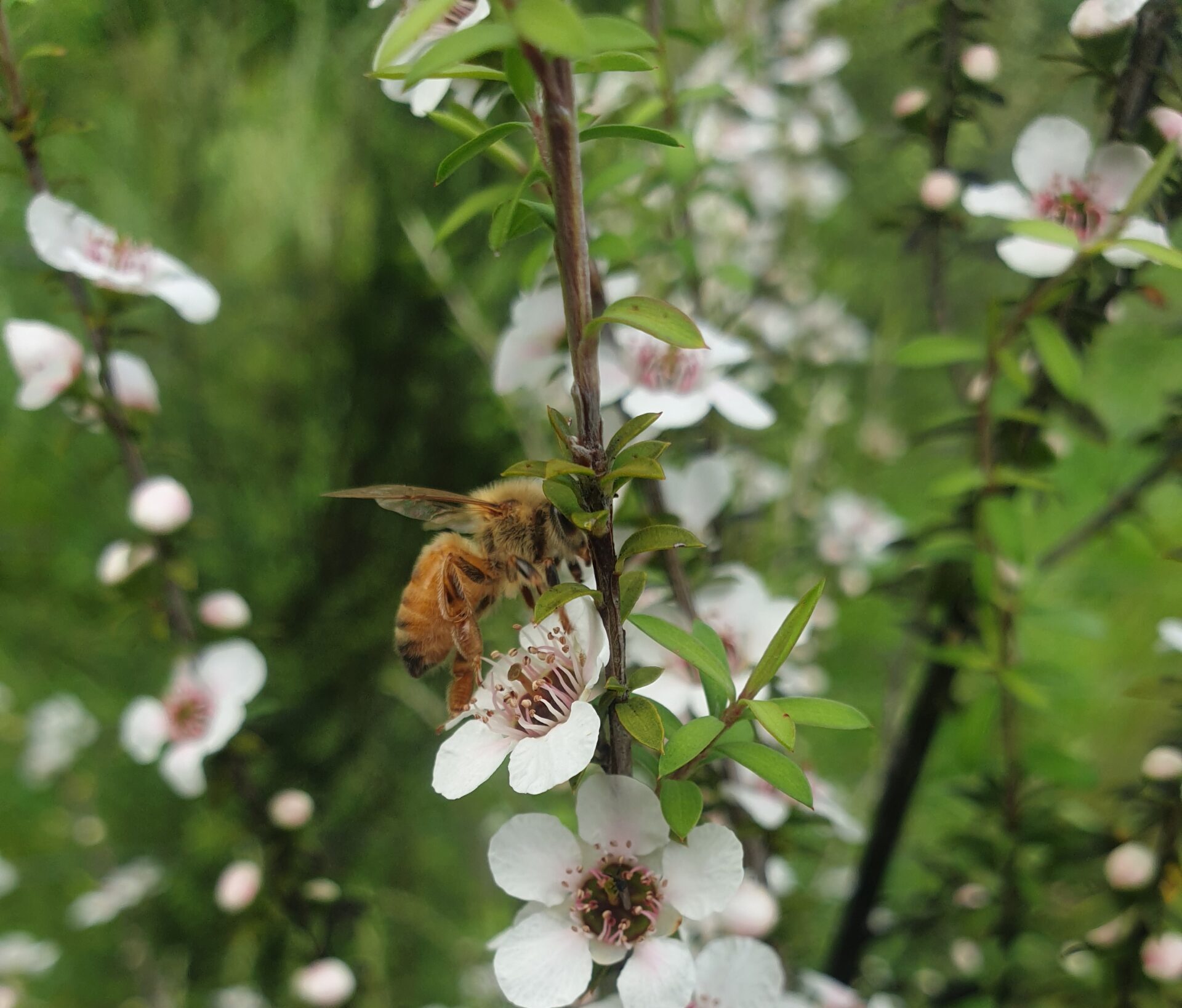
A Mānuka site is where beehives typically go around December to January to collect Mānuka Honey. These usually have large stands of Mānuka trees and few other floral sources. Most Mānuka sites are located in remote, rugged areas of New Zealand’s backcountry, which provides extra challenges for beekeepers to get the hives in and out and harvest honey in a safe manner.

However, this also creates some of the world’s most pure Mānuka honey. Here at ApiLife Limited, we capitalise on that remote, rugged, and pure honey that the world loves. We partner with landowners and build a relationship based on trust and transparency, believing everyone should prosper in the process.

Basic requirements for Mānuka sites:

  • Limited competing floral sources in the immediate vicinity to ensure bees primarily gather nectar and pollen from Mānuka trees.
  • Remote and rugged location to isolate the site from human activity, minimising contamination and maintaining the purity of the honey.
  • Large stands of healthy Mānuka trees to provide an abundant source of Mānuka honey.

The Easiest Way to Contact Us

Contact Us